Where We Live Shapes How Long We Live Well
Posted 1st June 2026
Why Your Retirement Location Matters for Health, Happiness and Independence
What the Latest ONS Data Tells Us
New analysis from Ageing Better, drawing on the latest Office for National Statistics (ONS) figures, highlights a striking truth: where we live has a powerful influence on how long we can expect to live – and how many of those years are spent in good health. For people planning their later life, including those considering a move to a retirement community, these findings offer important insight into the value of supportive, well‑designed living environments.
Life expectancy is rising again – but healthy life expectancy is falling
The ONS reports that while overall life expectancy in the UK has seen modest recovery since the pandemic, healthy life expectancy (HLE) – the number of years we can expect to live in good health – has continued to decline.
- UK males now spend 60.7 years in good health, and females 60.9 years, both down from the previous period.
- This marks the lowest level of healthy life expectancy since 2011–2013, despite improvements in overall longevity.
This widening gap between how long we live and how long we live well is a growing concern for policymakers, housing providers, and older people themselves.
Geography matters – a lot
How Location Shapes Your Retirement Lifestyle and Wellbeing
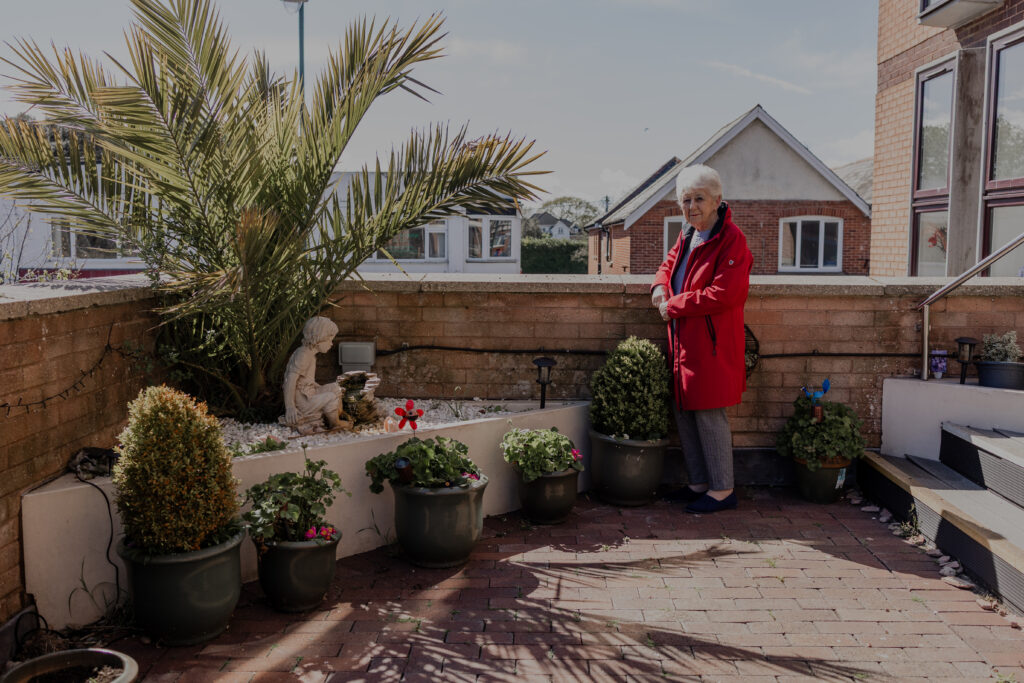
One of the clearest messages from the ONS data is that place is a major determinant of health and longevity.
Across the UK, the difference between the areas with the highest and lowest healthy life expectancy is stark:
- The gap in HLE across local areas is 14.7 years for men and 15.8 years for women.
- England continues to have the highest HLE, with the South East leading the way.
- The North East has the lowest HLE for both men and women and has held this position consistently since the ONS began tracking the measure.
These regional inequalities have been widening since the pandemic, showing that recovery has not been evenly shared.
Why this matters for later‑life housing
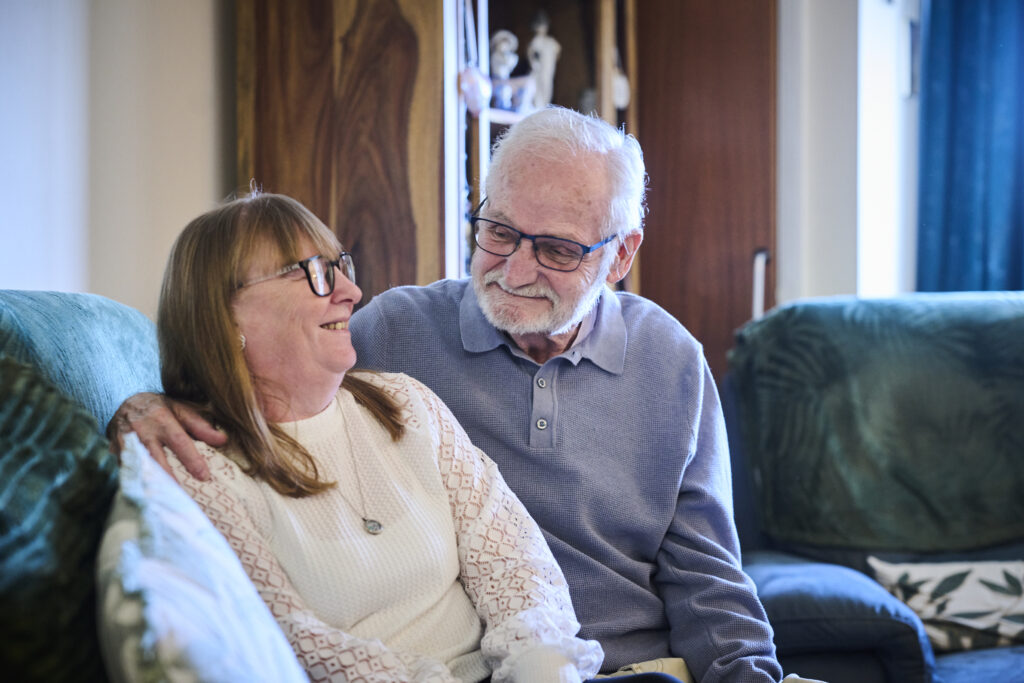
For organisations like My Future Living, these findings reinforce something we see every day: the right home, in the right place, can make a meaningful difference to wellbeing in later life.
A supportive retirement community can help people:
- Stay active and socially connected
- Reduce loneliness and isolation
- Access help quickly when needed
- Maintain independence for longer
- Live in warm, safe, well‑maintained homes
As Ageing Better’s work often highlights, improving the environments in which older people live is one of the most effective ways to narrow health inequalities and support longer, healthier lives.
A positive step for those planning ahead
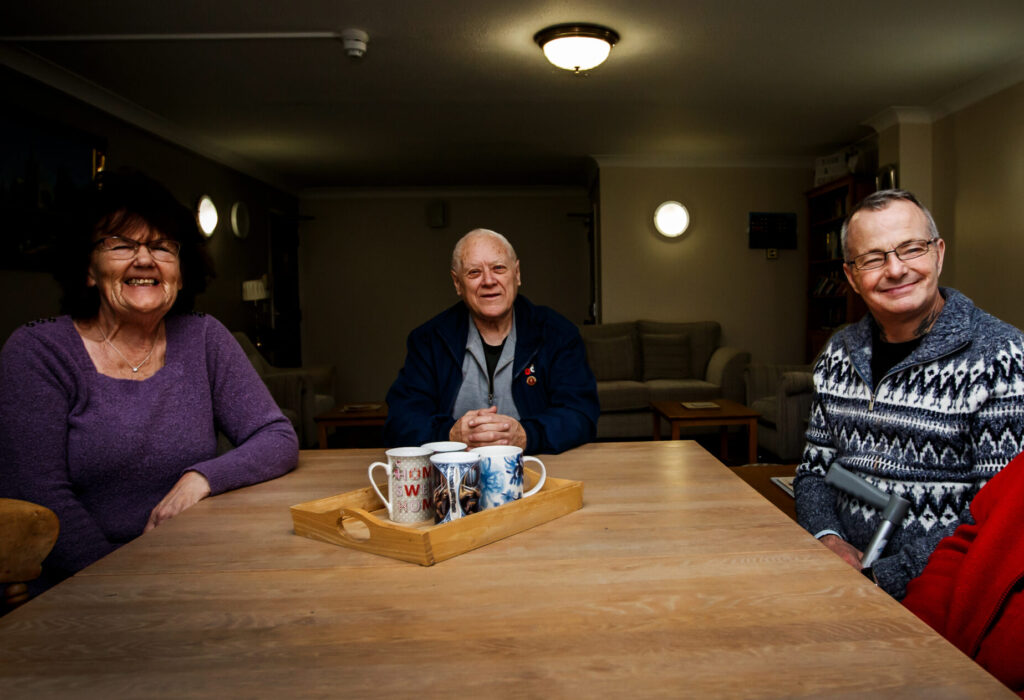
While the national picture shows challenges, it also highlights the importance of planning for a healthier later life. Choosing a home that supports wellbeing – socially, physically, and emotionally – can help people enjoy more of their later years in good health, regardless of where they live now.
At My Future Living, we’re proud to offer retirement communities across the country that help residents stay independent, connected, and well for longer. As the data shows, good housing is not just about where you live – it’s about how well you can live.

