THE COMPLETE GUIDE TO RENTING IN RETIREMENT
Posted 5th June 2026
Why Renting in Retirement Is Becoming the Smart Choice
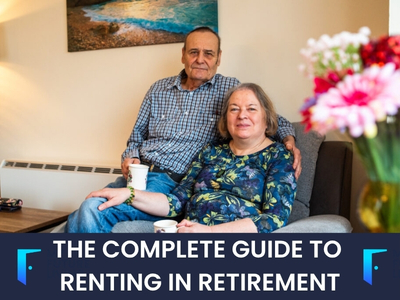
Introduction:
Retirement today looks very different from a generation ago. People are living longer, working differently, and seeking more flexibility in later life. At the same time, many older homeowners are finding that maintaining a property, managing unexpected repairs, or living alone in a large home no longer suits their lifestyle or budget.
That’s why more people than ever are choosing to rent in a retirement community — a secure, sociable, low‑maintenance way to enjoy later life.
This guide explains everything you need to know about renting in retirement, from costs and contracts to wellbeing, community life, and how to choose the right home.
Summary:
What Does Renting in Retirement Actually Mean?
Renting in retirement simply means choosing to live in a home designed for people aged 55 and over (accepted age can vary dependant on the development), where the focus is on:
- Independent living
- Safety and security
- Community and connection
- Low‑maintenance, stress‑free living
At My Future Living, this typically means (but can vary dependant on development):
- Self-contained apartments in age-exclusive developments
- On-site Development Managers
- 24-hour emergency call systems
- Communal lounges and gardens
- Regular social activities
It’s independent living — with peace of mind built in. Don’t just take our word for it, have a read of My Future Living’s real customer’s experiences.

Why More People Are Renting in Retirement
Flexibility without the burden of homeownership
No more roof repairs, boiler breakdown expense, or rising maintenance costs. Renting offers predictable monthly expenses and freedom from unexpected bills.
A safe, supportive community
Loneliness is one of the biggest challenges in later life. Retirement communities offer connection, companionship, and a sense of belonging.
Financial freedom
Many people choose to sell their home, release equity, and rent which gives them:
- More disposable income
- Freedom to travel
- Ability to help family
- A simpler lifestyle
A home that suits your needs today
Rightsizing into a manageable, comfortable home can transform wellbeing.

Renting vs Owning in Retirement: The Real Cost Comparison
One of the biggest questions people ask is: Is renting cheaper than owning?The answer depends on individual circumstances, but renting often provides:
✔ Predictable monthly costs
No surprise repair bills.
✔ No service charges or ground rent
These can be significant for leasehold owners.
✔ No large upfront costs
No stamp duty, legal fees, or estate agent fees.
✔ No long-term financial risk
Property values can go up — but they can also go down.
✔ Freedom to move
If your needs change, you can relocate easily.
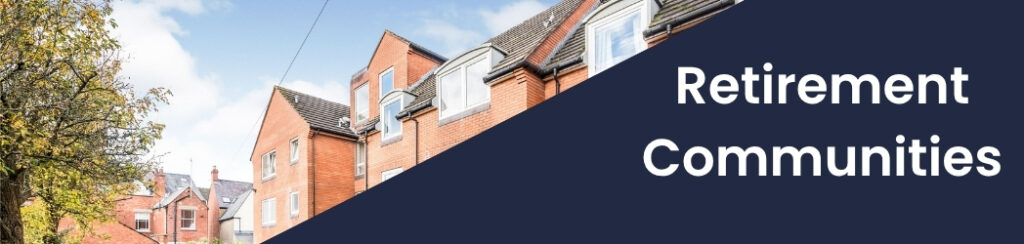
What Is Life Like in a Retirement Community?
A friendly, sociable environment
Communal lounges, coffee mornings, film nights, and events help people stay connected. These spaces and events create opportunities for when you want or need them.
Independence with support when needed
You live in your own home — but with gentle support features built in (development dependant):
- A Development Manager
- Emergency call systems
- A community around you
Safe, well-maintained buildings
Repairs and maintenance are handled for you. Repairs can be reported at any time via My Future Living’s online repairs reporting system.

Emergency repairs out of office hours are also covered by an out of hours support team or via the pull cord system.
Peace and quiet
Age-exclusive communities mean neighbours are at a similar life stage.
Who Is Renting in Retirement Right For?
Renting is ideal for people who:
- Want to downsize or rightsize
- Prefer predictable monthly costs
- No longer want the responsibility of maintaining a home
- Want to live in a sociable, supportive community
- Are moving closer to family
- Are recently bereaved or divorced
- Want to release equity from a home
It’s also a great option for people who want to try a new area before committing long-term or risking equity by buying.
How to Choose the Right Retirement Community
Location
Think about:
- Proximity to family
- Access to shops, healthcare and transport
- Coastal vs countryside vs town living
Facilities
Consider whether you require:
- Communal lounge
- Guest suite
- Gardens
- Laundry facilities
Community feel
Every development has its own personality. Visiting helps you get a sense of the atmosphere.

Budget
Look at:
- Monthly rent
- Utility costs
- Food & other living costs
The Step-by-Step Process of Renting in Retirement
Step 1: Browse available retirement properties to rent
My Future Living has homes across the UK.
Step 2: Arrange a viewing
Meet the Development Manager and explore the community.
Step 3: Complete the application
Straightforward and supported by the My Future Living tenancy team.
Step 4: Move in
Enjoy a warm welcome and a smooth transition.

Frequently Asked Questions
Can family and friends stay overnight?
Many developments offer a guest suite that residents can book for visiting family or friends. Availability varies by location, so it’s best to check with the Development Manager when viewing a property.
What support is available if I need help?
Our developments are designed for independent living. Development Managers are on site during working hours to provide reassurance, oversee the building, and support the smooth running of the development. They do not provide personal care or medical support.
What is included in the rent?
Rent typically includes:
- Use of communal areas (where available)
- Building maintenance
- On‑site Development Manager (where applicable)
- Emergency alarm system (where available)
- Grounds and garden upkeep
Utility bills are usually separate.
Is there an emergency alarm system?
Yes. Most developments have a 24‑hour emergency alarm system that connects residents to a response centre. This provides reassurance without compromising independence.
Do I need to be retired to live in a retirement community?
Absolutely not – this is a myth. Around 10% of My Future Living customers still work, or volunteer. Retirement developments are available to people in the correct age bracket, regardless of employment status.
What happens if my circumstances change?
If your needs change — for example, you require more support or wish to move closer to family — our team can help you explore alternative My Future Living properties or discuss your options.
Are social activities compulsory?
Not at all. Communities often organise coffee mornings, film nights, or outings, but participation is entirely optional. You can be as sociable or as private as you choose.
Is there parking available?
Parking varies by development. Some have on‑site parking, while others offer street parking or nearby public car parks. Check individual listings for details.
Can I view a property before applying?
Yes — here at My Future Living, we feel that viewings are essential and actively encouraged. They give you the chance to meet the Development Manager, explore the communal areas, and get a feel for the community. We’d also encourage you to explore the wider area if it’s new to you.
Are there service charges?
Service charges are included in the rent, so there are no additional monthly fees for communal maintenance or building management.
Do you provide furnished apartments?
Our apartments are unfurnished, giving you the freedom to bring your own furniture and make the space feel like home.
Conclusion: Renting in Retirement Gives You Freedom, Security and Peace of Mind
Renting in a retirement community offers a modern, flexible, and empowering way to enjoy later life. Whether you want to rightsize, release equity, or simply live somewhere sociable and low-maintenance, it’s a choice that supports independence and wellbeing.

