The Secret to Happier, Healthier Retirement? Community
Posted 6th January 2026
Counting the Cost of Loneliness – And Why Community Living Matters More Than Ever
Loneliness is often described as an emotional issue, but growing evidence shows it also comes with a very real financial and health cost.
Government analysis estimates that the health and wellbeing impact of severe loneliness costs around £9,500 per person every year. With 3.3 million people aged 65 and over living alone, that equates to a potential £31.35 billion annual cost to society. These figures put into sharp focus something many families already sense: isolation in later life isn’t just sad – it’s serious – and avoidable.
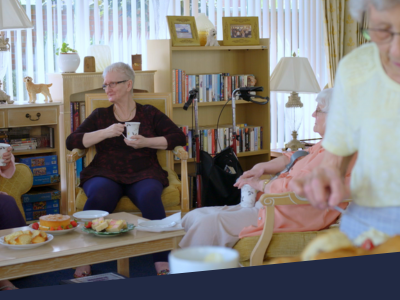
Living alone doesn’t always mean living independently
For many older people, living alone starts as a choice. But over time, shrinking social circles, reduced mobility, the loss of a partner, or limited local services can quietly turn independence into isolation.
Public resources that help older people stay connected – such as free bus travel, libraries, community clubs, and accessible town centres – are increasingly under pressure as council budgets tighten. When these everyday lifelines disappear, it becomes harder for people to leave the house with confidence, even if they want to.
And yet, enabling older people to stay socially connected has been shown to reduce hospital admissions, improve mental wellbeing, and support healthier ageing. Seen through that lens, connection isn’t a luxury – it’s an investment.
The hidden benefits of renting in a retirement community
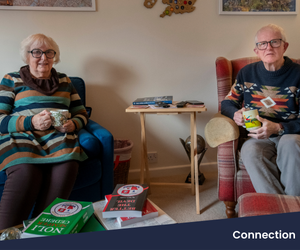
This is where retirement communities like My Future Living can make a meaningful difference.
Renting in a retirement community offers something that’s difficult to replicate when living alone: built-in connection. Friendly neighbours, shared spaces, organised activities, and on-site teams create daily opportunities for social interaction – without pressure and on your own terms.
Further research from MQ Mental Health Research highlights how ‘creative group activities can play a meaningful role in reducing mental health symptoms for older adults.’ The scientific studies and support of these approaches to enhancing mental well being is critical to rolling this out to wider groups so it’s a very reassuring read.
Other key benefits include:
- A sense of belonging
Knowing there are people nearby, whether for a chat, a coffee, or a shared activity, can significantly reduce feelings of loneliness. - Confidence to stay active
Safe, well-designed environments make it easier to get out and about, helping residents remain physically and socially engaged. - Freedom without responsibility
Renting removes the worries of home maintenance, repairs, or long-term commitments, allowing residents to focus on enjoying life. - Flexibility for the future
Renting offers choice and adaptability, especially valuable if circumstances or needs change over time. - Peace of mind for families
Loved ones often feel reassured knowing someone is part of a supportive community rather than living in isolation.
Connection matters in a digital world too
Another growing concern is the rise of misinformation online. Research suggests older people are more likely to share unverified information, often because social media algorithms reinforce familiar viewpoints and limit exposure to different perspectives.
Regular, real-world social interaction plays an important role here too. Conversations with neighbours, participation in group activities, and staying connected beyond screens can help people remain engaged, informed, and less reliant on online echo chambers.
Investing in wellbeing, not just housing
At My Future Living, renting in a retirement community is about more than having a place to live. It’s about creating environments that support connection, independence, and wellbeing – now and in the years ahead.
When loneliness carries such a high personal and societal cost, choosing to live in a community that fosters everyday connection isn’t just a lifestyle choice. It’s a positive step towards healthier, happier ageing.
Because the true value of later life isn’t measured only in years lived – but in how connected those years feel.

